

We reflect on some of the achievements of our Cambridge engineering biology community in 2025.
Chung Lab Reveals New Insights into Viral and Bacterial Infection Mechanisms
Led by Dr Betty Chung, the Chung Laboratory published several impactful studies last quarter. The team revealed new insights into how viruses exploit –1 programmed ribosomal frameshifting (–1PRF) to make essential proteins, uncovered previously unknown complexity in how Salmonella deploys its pathogenicity island 1 (SPI-1) injectisome, and shed light on the earliest moments of infection by Toxoplasma gondii - one of the world’s most successful parasites, notorious for its intricate cat-and-mouse lifecycle.
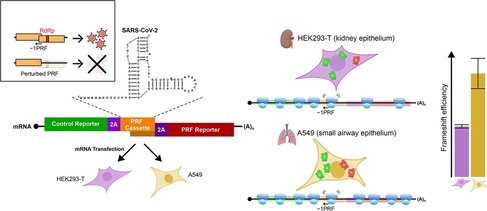
Commenting on the research, Chung said: "Infection is the battle of host and pathogen, fought at the earliest molecular decision points, where timing determines advantage and protein synthesis mechanisms can be co-opted to shift the outcome. Together, these findings provide a foundation for our next steps, not only to identify robust therapeutic targets to fight infection, but also to deepen our understanding of fundamental molecular mechanisms in protein synthesis."
- "An RNA-Based Dual-Fluorescence Reporter System Reveals Cell Type-Specific and Temporal Dynamics of −1 Programmed Ribosomal Frameshifting"
- "The Salmonella pathogenicity island 1 injectisome reprograms host cell translation to evade the inflammatory response"
- "Early Upregulation of Immune Suppressors Dominates the Macrophage Response to Toxoplasma gondii"
Somenath Bakshi Awarded ERC Consolidator Grant
Dr Somenath Bakshi, Department of Engineering, was awarded a European Research Council (ERC) Consolidator Grant for ‘Systems Analysis of The Physiological Determinants of Phage Infection Dynamics’.
Bakshi will map how bacterial physiology, including cellular resources, energy, and stress, controls phage infection dynamics. These insights will guide the design of engineered phages and treatment strategies that work reliably in complex, real-world clinical settings.
Eight researchers from the University of Cambridge were awarded grants out of a total of 349 mid-career researchers to receive awards.
Funding Success for Mark Howarth and Gastrobody Therapeutics
Prof. Mark Howarth and Co-Founders Dr. Ana Rossi and Dr. Yasunori Watanabe were awarded UKRI Proof of Concept, Wellcome Trust Access to Expertise, and Technology Investment Fund (Cambridge Enterprise) grants for developing orally administered antibody mimetics through their spin-out company, Gastrobody Therapeutics.
Gastrobody Therapeutics develops ultrastable protein therapeutics for the treatment of gastrointestinal (GI) diseases. Its ground-breaking technology harnesses the evolved resilience of specific plant proteins to withstand the harsh conditions of the stomach and small intestine. The most urgent challenges for GI delivery include inflammatory bowel disease (IBD) and coeliac disease.
Indra Roux Co-Authors Research Demonstrating Toxicity of Industrial and Agricultural Chemicals on Human Gut Bacteria
New research co-authored by EngBio ECR Co-Chair Dr Indra Roux identified 168 chemicals that are toxic to bacteria found in the healthy human gut, the majority of which were not previously reported to have antibacterial properties. Fungicides and industrial chemicals showed the largest impact, with around 30% exhibiting anti-gut-bacterial properties.
Roux, first author of the study said: “We’ve found that many chemicals designed to act only on one type of target, say insects or fungi, also affect gut bacteria. We were surprised that some of these chemicals had such strong effects. For example, many industrial chemicals like flame retardants and plasticisers - that we are regularly in contact with - weren’t thought to affect living organisms at all, but they do.”
The large-scale in vitro screening assessed the impact of 1,076 pollutants, spanning diverse chemistries and indicated applications, on 22 prevalent gut bacteria, as well as identified genetic mechanisms that modulate pollutant stress. The researchers have used their data to create a machine learning model to predict if industrial chemicals - whether already in use, or in development - will be harmful to human gut bacteria.
Read the paper: https://www.nature.com/articles/s41564-025-02182-6